
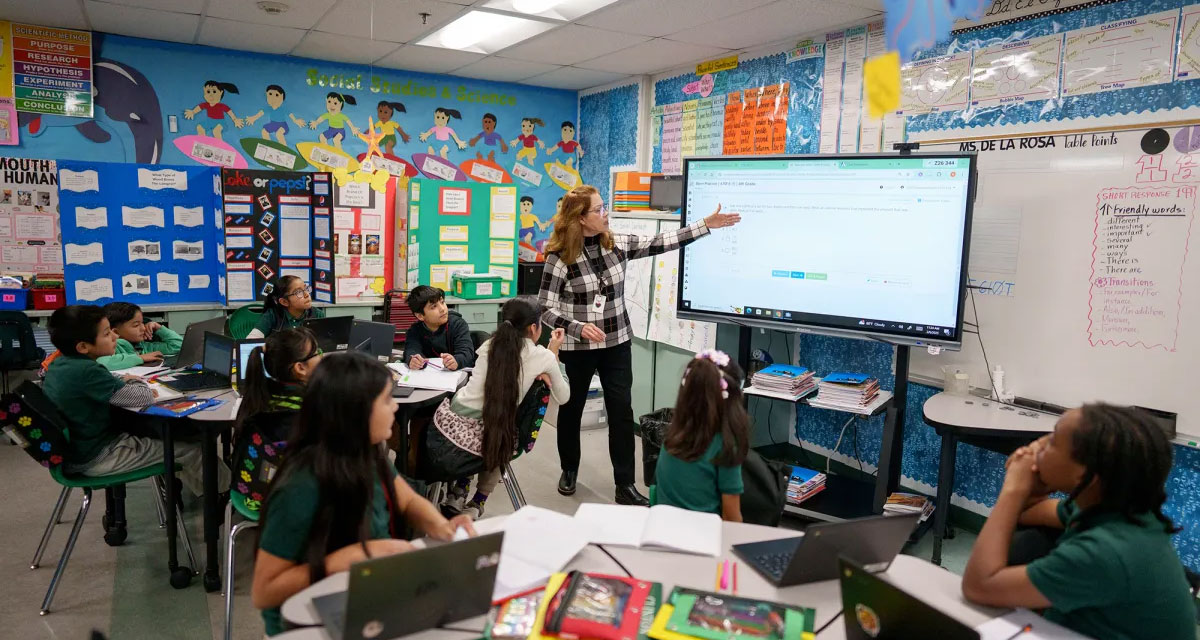
Between 2009 and 2019, California made major policy changes to key educational investments for preschool and elementary school students, including the California State Preschool Program (CSPP); transitional kindergarten (TK), created by the Kindergarten Readiness Act; and K–12 financing, overhauled with the Local Control Funding Formula (LCFF). This study finds that each investment produced substantial, equity-enhancing gains in math and reading achievement—and that these gains compounded across the early years. TK delivered its largest benefits to the children least likely to have access to high-quality prekindergarten (PreK), narrowing gaps by family income. Those benefits were larger for children who first attended CSPP as 3-year-olds, were larger still in well-funded schools, and persisted longest where resources were the greatest. The findings show that sequenced public investments can produce multiplier effects that exceed the sum of their parts.
The report on which this brief is based can be found here.