
Test

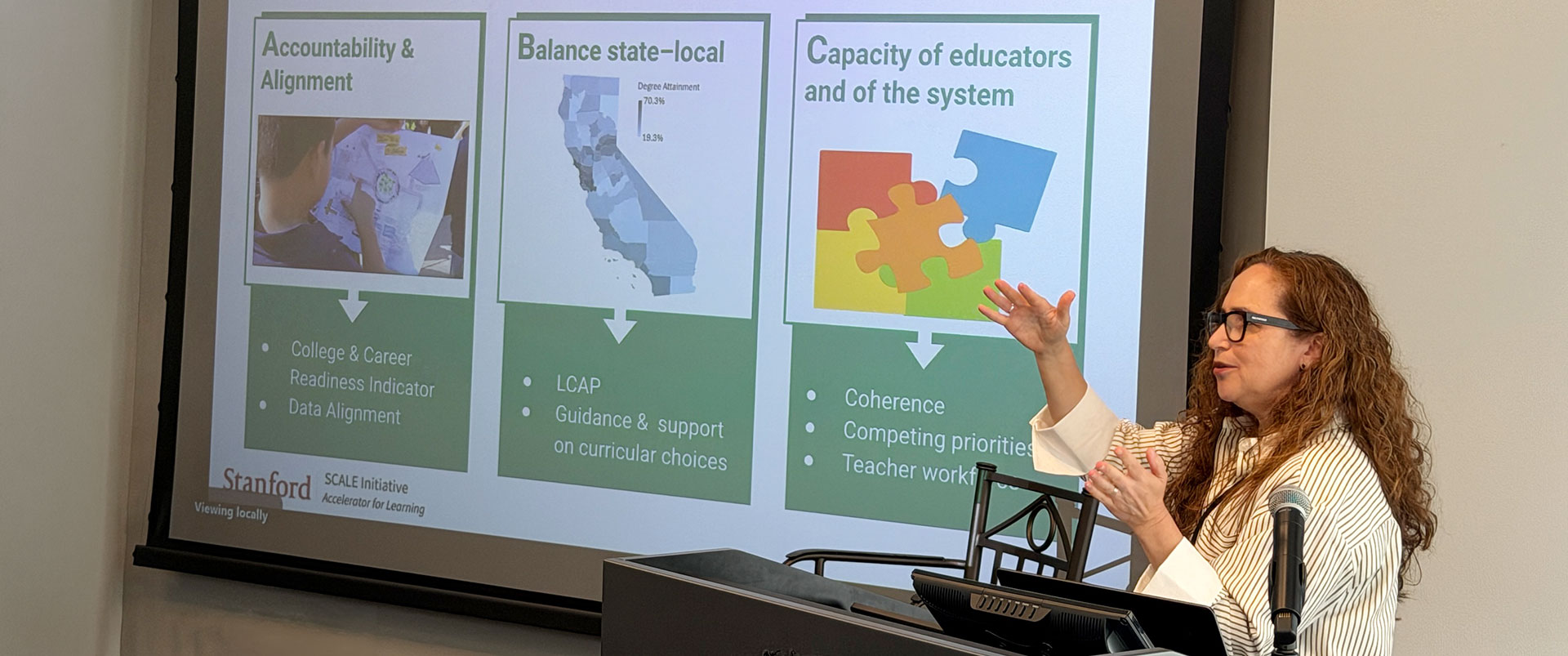
California is at an inflection point in education. Over the past two decades, the state has built stronger foundations through more equitable school funding, stronger standards and assessments, expanded early childhood education, improved data systems, and investments in community schools, early literacy, and the educator workforce. Yet California now faces a different question: whether those stronger foundations can support a public education system prepared for a very different future. Work is changing quickly, student engagement and well-being remain fragile after the pandemic, and federal commitments to civil rights, student welfare, and accountability have become less certain.