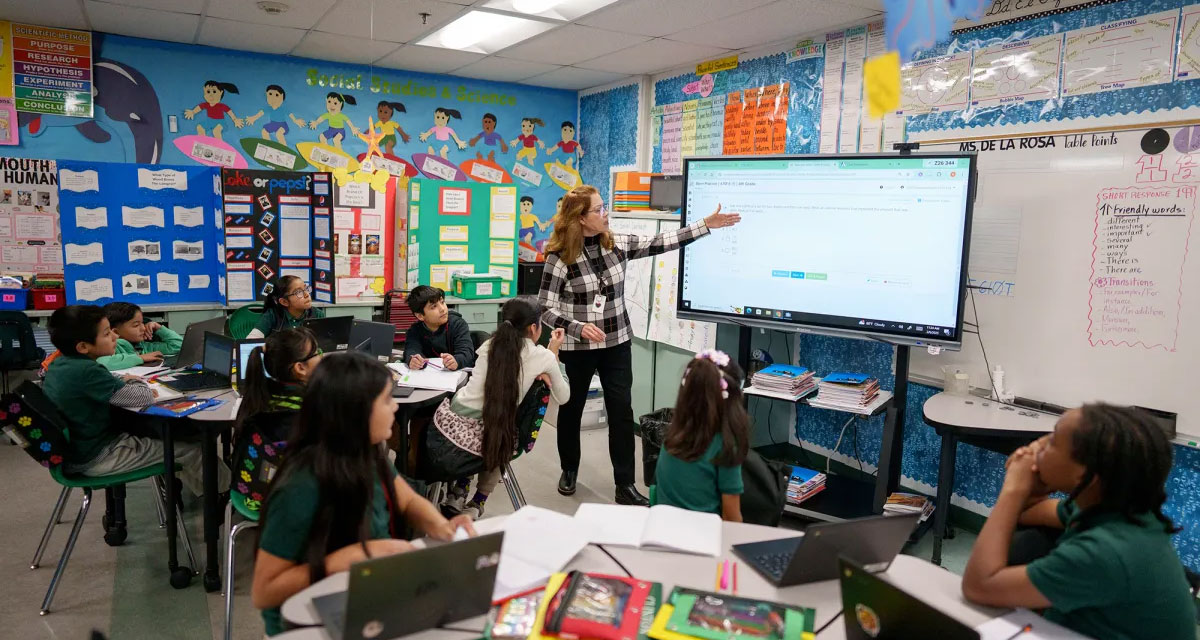

This paper examines how California prepares, develops, and supports teachers of English Learners (ELs). Using school-level data from the 2024-25 academic year, I analyze the relationship between school EL concentration and teacher preparedness indicators, including credentials, experience, and whether teachers teach outside their credential area. I find that schools serving higher proportions of ELs—particularly Long-Term English Learners (LTELs)—systematically have less well-prepared teaching staff. Specifically, high-LTEL schools have more out-of-field teachers, fewer fully credentialed and experienced teachers, and more teachers rated ineffective. Additionally, I document significant geographic inequities in access to bilingual teacher preparation programs, with "preparation deserts" overlapping areas of high EL concentration. These findings reveal a significant equity concern: students who most need specialized instruction receive teachers who appear, at least on paper, less equipped to provide it. A significant number of these students live in areas that are not easily accessible to teachers seeking bilingual authorizations or to DLI programs looking to expand. Policy implications are discussed.
Teacher Preparation for English Learners and Bilingual Education in California Schools
This report examines California’s preparation system for teachers of English learners and bilingual classrooms. It highlights regional access, teacher qualifications, and the preparation needed to support multilingual instruction.